


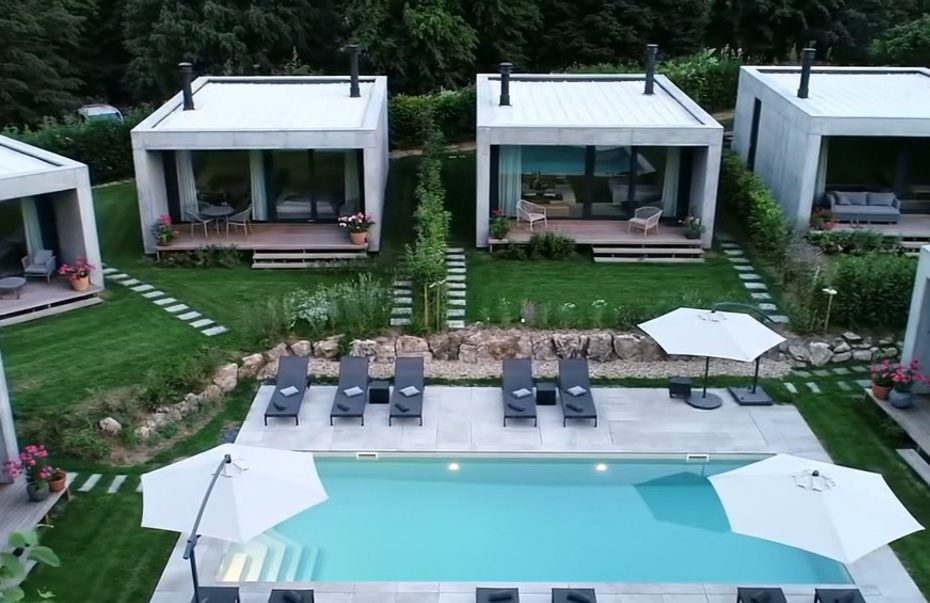
Modular Hospitality Maximizing Capital Efficiency
Investing in glamping is no longer about “buying cabins”; it is about strategic asset allocation. For institutional and high-net-worth investors, the decision to pivot toward modular capsules like Kapsulev is driven by four “Deep Finance” pillars: Tax optimization, government incentives, depreciation flexibility, and risk hedging.
1. Tax Advantages: Capex vs. Opex
In many jurisdictions (including the EU and North Africa), modular units are classified as moveable equipment rather than permanent real estate.
- The Benefit: This often allows for accelerated depreciation. While a building might depreciate over 30 years, modular units can often be written off in 5 to 10 years. This creates a significant tax shield, allowing you to keep more of your early-stage cash flow to reinvest in scaling your site.
2. Strategic Grant & Incentive Alignment
The “Green Tourism” and “Digital Nomad” sectors are currently receiving record-breaking subsidies globally.
- EU Green Deal & Regional Funds: Many regions (like the Balkans or Central Europe) offer non-repayable grants for projects that promote sustainable, low-impact tourism.
- The Advantage: Because our capsules are zero-foundation and eco-engineered, they qualify for higher-tier “Green Grants” that traditional concrete hotels cannot access.
If you are looking to integrate these financial advantages into a broader investment strategy, you can [explore our strategic partnership models] to see how we help developers expand their portfolios with smart outdoor solutions.
3. Hedging Against Market Volatility (The Liquid Asset Strategy)
Traditional real estate is a “sunk cost.” If a region faces political instability or a decline in tourism, your capital is trapped.
- Dynamic Asset Relocation: Kapsulev units are de-risked assets. In a worst-case market scenario, the units can be dismantled, shipped, and reassembled in a high-performing region. You are not just investing in a location; you are investing in a portable revenue generator.
4. Scalability: The “Lego” Financing Model
Traditional hotels require massive “Phase 1” investments. You build the whole building before you sell the first room.
- Incremental Expansion: Modular capsules allow for just-in-time scaling. You can start with 5 units to test the market and fund the next 10 units purely from the cash flow of the first five. This reduces debt reliance and protects your equity.
5. Lower Ancillary Costs (Insurance & Maintenance)
Insurance premiums for permanent structures in remote, high-risk areas (wildfires, floods, or coastal erosion) are skyrocketing.
- Durability & Safety: Our aerospace-grade materials and the ability to elevate structures above flood zones can lead to lower insurance premiums. Furthermore, the modular nature allows for “component-level” maintenance, avoiding the massive renovation costs associated with aging brick-and-mortar buildings.
Modular Hospitality Maximizing Capital Efficiency